Water Damage Restoration La Vergne, TN
24/7 water damage restoration in La Vergne, TN. The extraction crew pulls standing water out, the drying team dries the structure to the IICRC S500 standard, and every reading goes into the claim file.
(888) 849-5796 Wet floors in the subdivision? Get extraction rolling
What to do while the water is still spreading
Mold can start growing inside 24 to 48 hours in humid Middle Tennessee air, so the first hour decides how much material has to come out later.
Shut off the water
Close the main valve where the supply line enters the house, often on a garage wall or at the meter box near the street.
Cut power to wet rooms
Switch off breakers for the wet rooms if the panel itself is dry, and keep clear of water near outlets and cords.
Photograph before moving
Take wide shots and close-ups of every wet room, ceiling and belonging before anything is moved or thrown out.
Lift what you can
Move rugs, electronics, papers and furniture off wet floors, and set blocks or foil under furniture legs.
Leave the drywall alone
Hold off on tearing out walls or flooring; the moisture map decides what stays and what comes out.
Then call and describe which rooms are wet and where the water started: (888) 849-5796
Water Damage Restoration Services in La Vergne, TN
What the local restoration pros handle, from a split pipe in a Lake Forest Estates crawl space to a roof drain backup on a warehouse floor off Interstate 24.
 Water Extraction and RemovalTruck-mounted and portable units pull standing water before it wicks into drywall, pad and cabinets.See the service
 Burst Pipe Water DamageSplit supply lines inside walls and ceilings, the cavity opened only where readings call for it.See the service
 Frozen Pipe Water DamageLines that froze in a crawl space, attic or outside wall, dried once the thaw shows the leak.See the service
 Slab Leak Water DamageHidden supply leaks under slab-on-grade homes, traced with thermal imaging and dried from the concrete up.See the service
 Crawl Space Water RemovalWater pooled under raised floors pumped out, wet insulation pulled and the joists and subfloor dried.See the service
 Sewage Backup CleanupToilet, tub and floor drain backups treated as Category 3 from the start, with containment and PPE.See the service
 Storm and Flash Flood CleanupCreek overflow and storm runoff treated as contaminated, extracted and dried after hard Middle Tennessee rain.See the service
 Roof Leak Water DamageShingle, flashing and vent leaks after wind-driven storms, attic insulation pulled and ceilings dried.See the service
 Ceiling Leak Water DamageAn upstairs bath, supply line or air handler lets go, and the ceiling below gets opened and dried.See the service
 Water Heater Leak CleanupTank and fitting failures in garages, closets and attics caught before the subfloor soaks through.See the service
 Appliance and Supply Line LeaksWasher hoses, ice maker lines, dishwasher feeds and toilet supplies that fail under house pressure.See the service
 HVAC Condensate Leak Water DamageClogged drain lines and rusted pans under humid summer loads, dried before ceilings and closets stain.See the service
 Structural Drying and DehumidificationAir movers, LGR dehumidifiers and desiccants run until framing and subfloor reach the drying goal.See the service
 Commercial Water DamageWarehouses, shops and offices along Interstate 24 dried in phases to keep loading docks and doors open.See the service
Describe the water, where it came from and how long it ran, and the response team matches the service to it.
(888) 849-5796 Talk the leak through with dispatchHow a water loss is handled, start to finish
A finished dry-out and a cosmetic one differ in the order of the work. Each stage has its own crew, its own instruments and its own entry in the daily drying log.
- 1
Inspection and moisture mapping
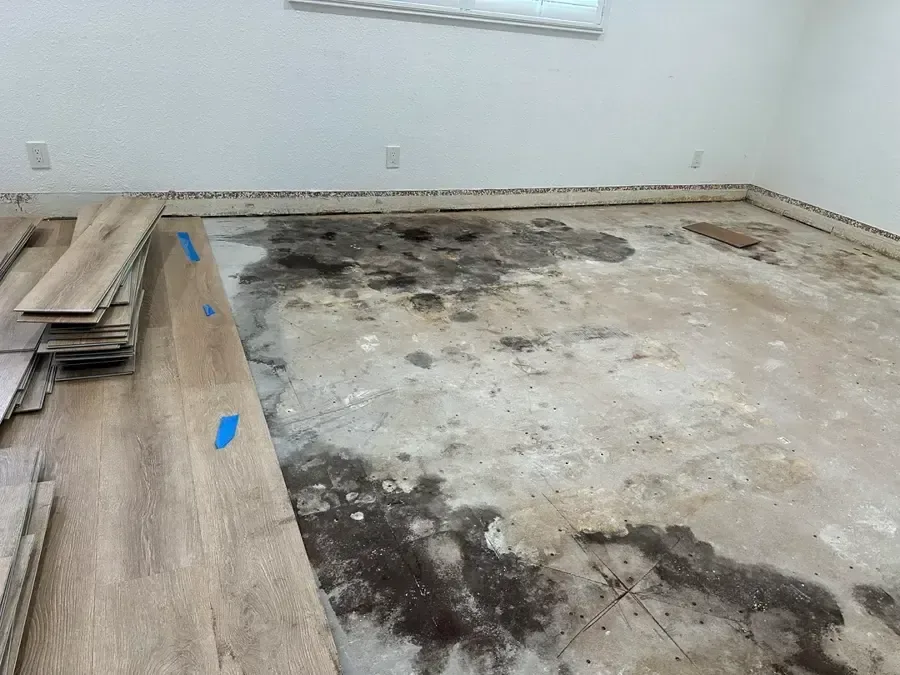
The tech who does the walkthrough traces wet drywall, framing and subfloor with meters and thermal imaging before any equipment goes down.
- 2
Extraction
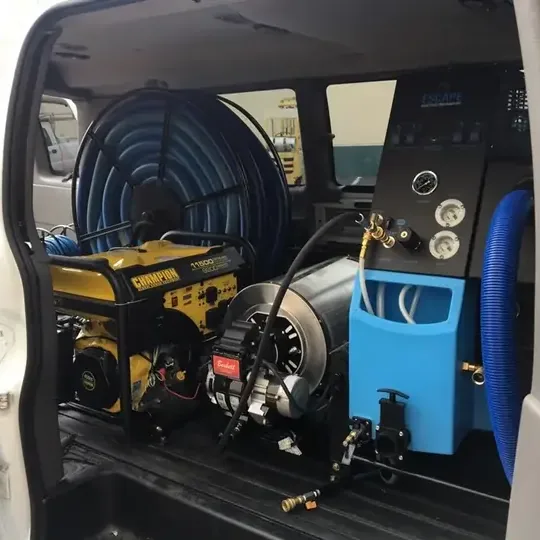
The extraction crew pulls standing water with truck-mounted and portable units so it stops wicking into walls, cabinets and pad.
- 3
Structural drying
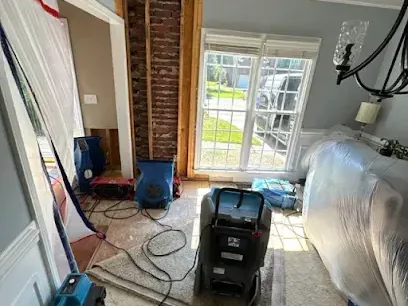
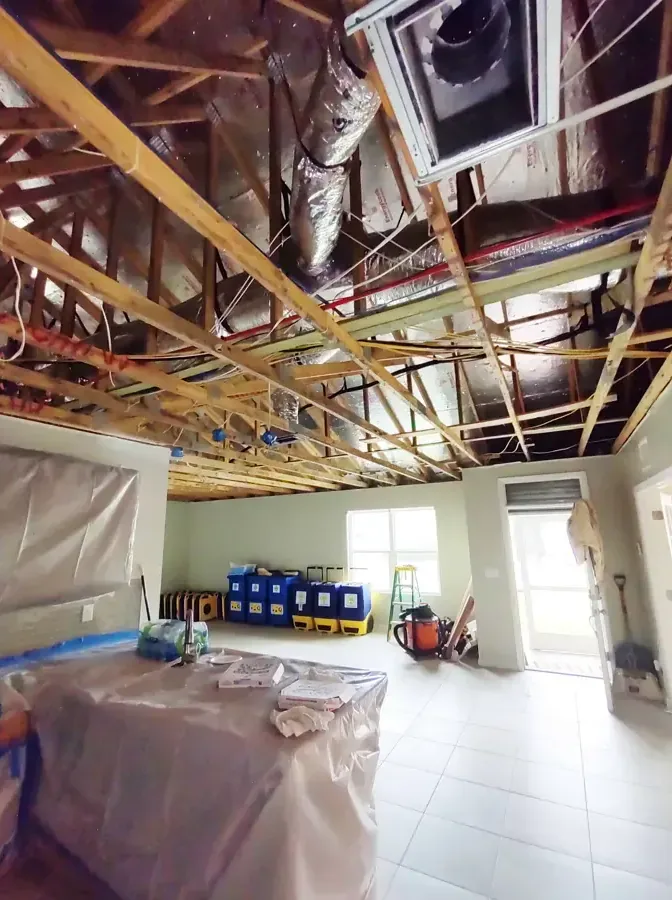
The drying team sets air movers and LGR dehumidifiers sized to the room, adding desiccants where concrete or hardwood holds water.
- 4
Daily readings and sign-off
Readings go into the log every day, and equipment comes out only when materials sit within 2 to 4 points of a dry reference.
Every water damage category, handled the right way
The category sets how the water gets treated, and it can climb the longer the water sits.
A split supply line, a water heater tank or a washer fill hose. Extracted fast, most materials dry in place. Burst pipe water damage
A washer drain, a dishwasher or a toilet overflow without waste, or clean water left sitting for two days. Wet pad usually comes out. Appliance and supply line leaks
A sewer main backup or creek and street runoff. Porous materials it touched get removed, not dried, and surfaces get treated. Sewage backup cleanup
What does water damage restoration cost in La Vergne, TN?
Water damage restoration here typically runs $1,000 to $10,000 or more. A clean-water leak caught early lands at the low end; a sewage backup, flood runoff or a crawl space full of water lands at the high end.
Contained, clean water
$1,000 to $3,000- One or two rooms wet
- Extraction, then drying in place
- Three to four equipment days
Under floors or into walls
$3,000 to $6,000- Pad, plank or lower drywall removed
- Cavity, crawl space or slab drying
- Daily readings in the claim file
Category 3 or a whole level
$6,000 to $10,000+- Sewage, runoff or most of a floor
- Containment and antimicrobial
- Porous materials removed
Four things set the price: the water category · the wet square footage · the material class · when drying began
For a planning number before anyone arrives, try the water damage cost calculator or the drying time estimator. Neither one is a quote; the moisture map sets the real scope.
What the insurance claim file holds
A water claim is settled on the documentation. A complete file from the drying team carries these five items, all dated:
- A moisture map drawn on day one
- Daily psychrometric and moisture readings
- Timestamped photos taken before any demolition
- The category and class of the loss
- A line-item scope of every task performed
Sudden and accidental water, such as a split supply line or a failed water heater, is usually treated differently from rising surface water, which falls under flood coverage.
Coverage depends on the wording of your own policy, so check it with your insurer or agent before deciding on repairs.
What a structural dry-out looks like from start to finish
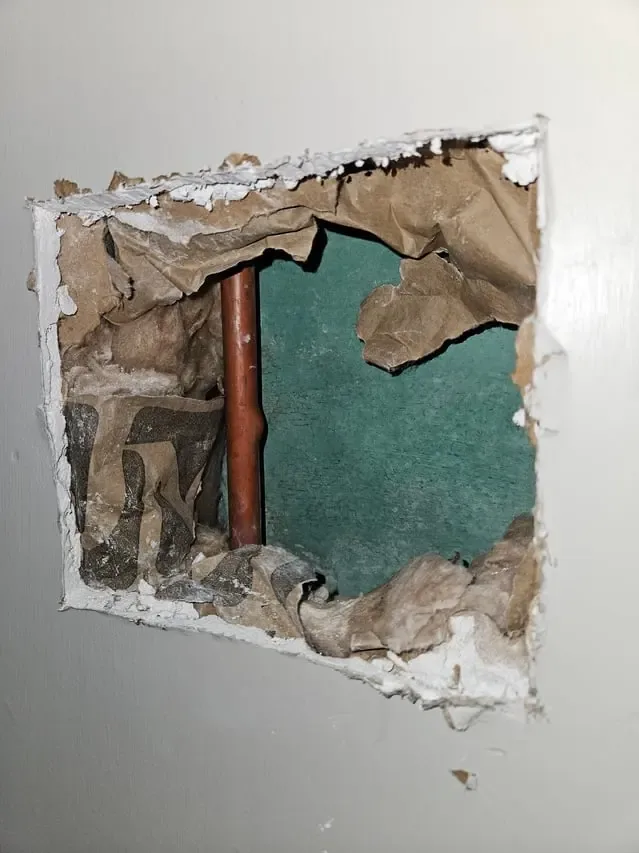
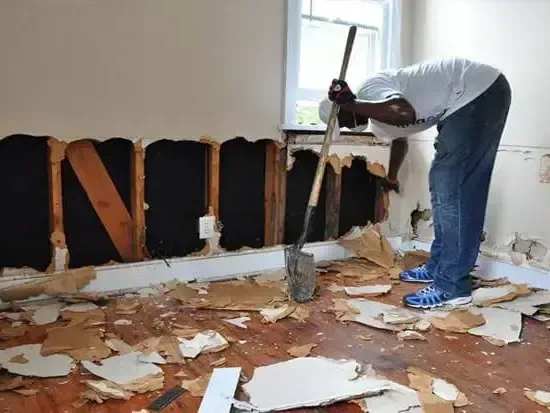
One call reaches water damage pros across La Vergne, 24/7
The response team works every street in town around the clock, from Lake Forest Estates and the Murfreesboro Road corridor to the lake side near Poole Knobs and the warehouse blocks along Interstate 24. Dispatch asks which rooms are wet and where the water came from, so the right equipment rolls first.
ZIP code 37086 covers the street addresses, and 37089 is the post office box ZIP for the same city.
Neighborhoods and corridors
Nearby communities
Find us on GoogleWater damage in La Vergne, TN: the local risk profile
The city grew from 18,687 residents in 2000 to 38,719 in 2020, mostly in subdivisions on cedar glade ground between Percy Priest Lake and the Interstate 24 corridor.
- Subdivision scale. Lake Forest Estates alone holds more than 3,100 homes, the largest subdivision in Tennessee, so thousands of water heaters, washer hoses and supply lines wear out on similar schedules.
- Cedar glade ground. Rutherford County is cedar glade country, with thin soil over flat limestone, so hard rain runs off fast and pools against slabs and crawl space vents.
- Creeks that feed the lake. Hurricane Creek and the Stones River feed Percy Priest Lake, a Corps of Engineers reservoir finished in 1967, and low lots near the creeks take runoff first.
- Hard freezes. Arctic cold snaps split pipes in crawl spaces, attics and outside walls, and the leak often shows only after the line thaws.
- Big warehouse floors. Distribution centers and retail along Interstate 24 and Murfreesboro Road can lose a large floor fast to a roof drain or sprinkler line break.
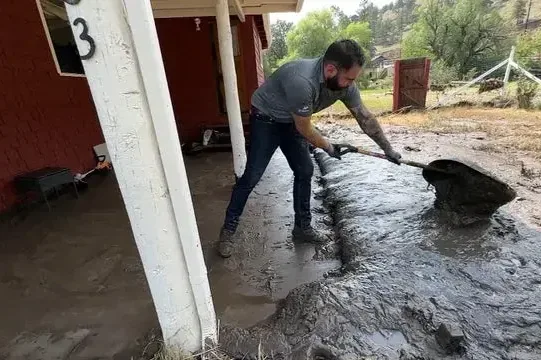
Two days of torrential rain flooded Middle Tennessee. Mill Creek spilled over and covered Interstate 24 near Antioch, the Nashville neighborhood on the city's northwest border.
Water damage questions in La Vergne, TN
Straight answers to what households ask most once water is on the floor.
What should happen in the first hour after water gets in?
Shut off the main, switch off breakers for wet rooms if the panel is dry, photograph every wet room, lift rugs and belongings off the floor, then call. Drying that starts inside the first day saves the most drywall, pad and flooring.
How quickly does a crew get moving on an active leak?
Dispatch runs 24/7, and active water is treated as urgent at any hour, holidays included. The response team asks which rooms are wet and where the water came from, so the right extraction and drying equipment goes out on the first truck.
Will homeowners insurance pay for the water damage?
Sudden and accidental water, such as a split supply line or a failed water heater, is usually treated differently from rising flood water, which falls under flood coverage. The answer sits in your own policy, so check it with your insurer. The drying team documents the loss either way.
Why do pipes burst here in winter?
Hard freezes reach pipes in crawl spaces, attics and outside walls. Ice expands inside the line and splits it, and the water often runs only once the pipe thaws. Opening sink cabinet doors and dripping faucets on the coldest nights helps.
How long does structural drying take?
A contained clean-water loss usually dries in three to five days. A wet slab, hardwood or a soaked crawl space can take longer. The drying team logs readings daily and pulls equipment only when materials sit within 2 to 4 points of a dry reference.
What is the IICRC S500 standard?
The IICRC S500 is the industry standard for water damage restoration. It defines water categories, classes of loss, how drying is measured and when a structure counts as dry, so the work is judged against readings instead of guesswork.
When does drywall have to come out?
Drywall that wicked clean water often dries in place with air movers and dehumidifiers. It comes out when it touched Category 3 water, when it has swelled or crumbled, or when the insulation behind it is soaked. The moisture map decides, not the look of the wall.
Why is sewage cleanup handled differently?
Sewage is Category 3 water and carries bacteria and viruses. The crew wears PPE, sets containment, removes porous materials it touched, such as carpet, pad and lower drywall, and treats surfaces with an EPA-registered antimicrobial before drying begins.
Can water in a crawl space hurt the house?
Yes. Standing water under the floor raises humidity in the joists, subfloor and insulation, and it can wick into the rooms above. The crew pumps it out, pulls wet insulation and vapor barrier, and dries the framing with dehumidifiers.
How is the cost of the job figured?
The bill follows the water category, the square footage that got wet, the material class and how fast drying started. Equipment days, removal and the antimicrobial step appear in a line-item scope, and the cost calculator gives a planning range first.
Water spreading across the floor right now? Call the restoration team.
The extraction crew pulls the water, the drying team dries to the S500 goal, and every reading lands in the claim file.